


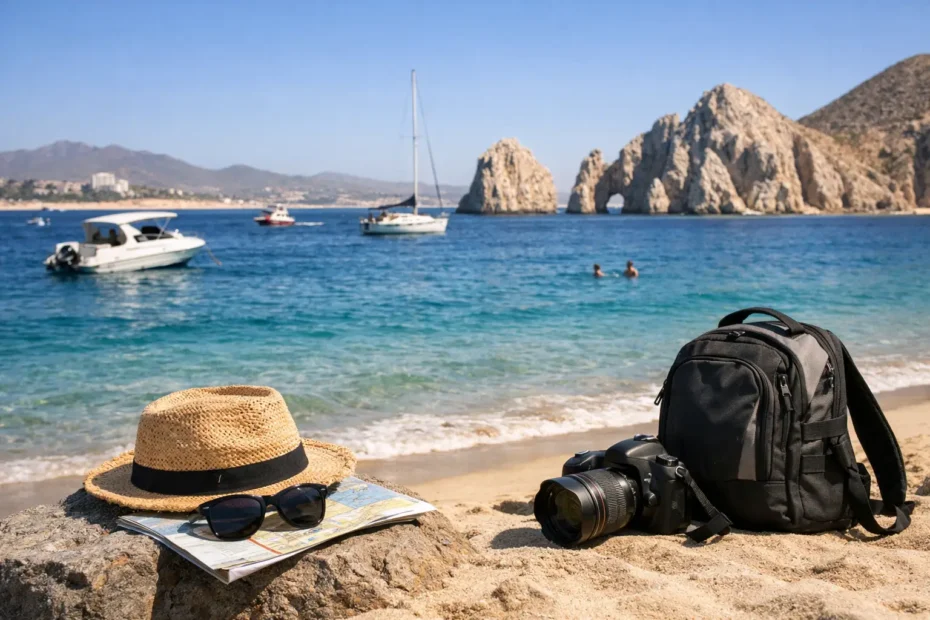
The first time you watch a humpback whale breach off Baja Sur or step onto a beach where the water is so clear it barely looks real, safety may be the last thing on your mind. It should not be the first thing either. So, is Baja California Sur safe? For most visitors, yes. With sensible planning, reputable operators, and the same street smarts you would use in any unfamiliar destination, Baja Sur is a rewarding and comfortable place to travel.
This is not a destination where you need to spend your vacation looking over your shoulder. It is, however, a large, wild peninsula with long distances, strong sun, changing sea conditions, and a few practical realities worth understanding before you arrive. The good news: the concerns most travelers have are very manageable.
Is Baja California Sur Safe for Tourists?
Baja California Sur is generally considered one of Mexico’s more visitor-friendly regions, especially in its established tourism areas. Los Cabos, La Paz, Todos Santos, Loreto, and the East Cape welcome international travelers year-round. The peninsula’s economy is closely connected to hospitality, sportfishing, diving, whale watching, and marine conservation, so local businesses have every reason to make guests feel looked after.
That said, Baja Sur is not a theme park. A beautiful dirt road can turn rough after rain. A seemingly calm Sea of Cortez morning can become a windy afternoon. A beach without a lifeguard is still a beach without a lifeguard, no matter how many perfect photos you have seen online.
For couples, families, solo travelers, and friend groups, the biggest safety wins usually come from making good logistical choices: arranging dependable transportation, choosing licensed marine operators, respecting water conditions, and avoiding late-night driving on unfamiliar roads. These are not dramatic restrictions. They are what allow you to relax once the adventure begins.
The Safety Issues That Actually Matter
Road travel deserves your attention
Baja California Sur is vast. The drive from Cabo San Lucas to La Paz is roughly two and a half hours, while more remote beaches, surf breaks, and desert towns can add serious time to the day. Major highways connect the main destinations, but road shoulders can be narrow, lighting can be limited, and livestock may wander near rural roads.
Drive during daylight whenever possible, particularly outside Los Cabos and La Paz. Do not treat your rental car like an off-road vehicle unless you have the right vehicle, experience, insurance, and a clear plan. Remote roads can be spectacular, but one missed turn on a sandy track is a poor way to spend an afternoon.
Use reputable rental companies or prearranged private transfers. In towns, established taxis and ride services can be useful, but confirm the price before getting into a taxi that does not use a meter. If you are enjoying dinner and mezcal, leave the driving to someone else. Baja hospitality is generous. Your judgment should remain intact.
Ocean conditions are more important than crime headlines
The sea is the reason many people come to Baja Sur, and it deserves respect. The Sea of Cortez can be glassy and gentle in the morning, while the Pacific side can have strong surf, rip currents, and powerful shore break. Conditions vary by beach, season, tide, and wind.
Never assume a beautiful beach is automatically safe for swimming. Ask a local guide, hotel team, or your boat captain where conditions are best that day. On the Pacific coast, swim only where the beach is known to be appropriate and stay out of the water if flags, signs, or locals suggest otherwise. If caught in a rip current, do not fight directly against it. Float, stay calm, and swim parallel to shore when you can.
For snorkeling, diving, whale watching, and sportfishing, choose a professional operator with maintained equipment, life jackets, radios, weather awareness, and captains who are willing to cancel or adjust a trip when the conditions say no. The right captain knows that a great day on the water is not defined by pushing through a bad forecast.
Sun, heat, and dehydration can spoil a perfect day
Many travelers underestimate Baja’s sun because they feel a cool ocean breeze. Then comes the headache, fatigue, or spectacularly painful sunburn that turns tomorrow’s beach day into a room-service day.
Bring a reusable water bottle, drink before you feel thirsty, use high-SPF sunscreen, and cover up during boat rides and long beach walks. This is especially relevant for whale excursions, fishing charters, desert hikes, and open-air drives. Alcohol, heat, and a full day in the sun are not always best friends.
If you are traveling with children, older relatives, or anyone prone to motion sickness, build breathing room into the itinerary. Early boat departures, shade breaks, snacks, and a quiet afternoon can make the difference between merely seeing Baja and truly enjoying it.
Everyday personal security is straightforward
Serious crime affecting visitors is uncommon in the main tourist areas, but common sense still applies. Keep valuables out of sight, use your hotel safe for passports and extra cash, and do not leave phones, bags, or cameras unattended in a rental car. Choose well-reviewed accommodations and stick to populated, well-lit areas after dark.
It is also wise to avoid buying illegal drugs or getting involved in anything that puts you near criminal activity. This advice is not unique to Mexico, but it matters wherever you travel. The safest vacation is the one focused on tacos, sea turtles, and sunset margaritas, not poor decisions at 1 a.m.
How to Make a Baja Sur Trip Feel Easy
The best Baja vacations have a little structure behind their freedom. You want time to wander the art galleries in Todos Santos or linger over fish tacos in La Paz, but you also want your airport pickup to appear, your boat to be properly equipped, and your accommodations to suit the way you actually travel.
Start by matching your destination to your priorities. Los Cabos offers polished resorts, dining, and convenient flight access. La Paz is ideal for Sea of Cortez wildlife, island excursions, snorkeling, and a more relaxed local rhythm. Loreto is a quieter base for islands, fishing, and whale season. Todos Santos blends small-town character with Pacific beaches, though not every beach is for swimming.
Then leave room for the weather. Whale sharks, sea lions, migrating whales, diving visibility, and wind patterns all have seasons. A flexible itinerary is not a compromise. It is how you catch the better window for an unforgettable day.
At Sunny Adventure Travel, I personally prioritize partners whose safety culture matches the experience they promise: capable captains, good communication, realistic weather decisions, and crews who know how to make guests feel comfortable from the first step onto the dock.
Health, Food, and Travel Logistics
Most visitors enjoy Baja Sur’s food without trouble, especially when choosing busy restaurants with a good local reputation. Eat where the turnover is high, wash hands or use sanitizer before meals, and be thoughtful with street food if you have a sensitive stomach. Fresh ceviche on a hot day should come from a place that treats freshness like a religion.
Pack any essential prescriptions in your carry-on, along with basic remedies for stomach upset, allergies, motion sickness, and minor cuts. Travel insurance with medical and evacuation coverage is a smart choice for diving, remote excursions, or any trip where an unexpected change of plans would be expensive.
Cell coverage is reliable in major towns but can fade on remote roads and offshore. Download maps before departure, share your plan with someone, and carry extra water when driving beyond the main corridors. If you are heading into the desert or to a secluded beach, tell your hotel or guide where you are going and when you expect to return.
A Few Questions Travelers Ask
Is La Paz safer than Cabo?
Both are popular bases, but they offer different experiences. La Paz often feels quieter and more laid-back, while Cabo is larger, busier, and more resort-oriented. Neither requires fear-based travel planning. Choose based on your interests, then use the same sensible habits you would use in any destination.
Is it safe to travel alone in Baja California Sur?
Many solo travelers do so comfortably, particularly in established destinations. Book trusted accommodations and tours, keep someone informed of your plans, avoid isolated areas after dark, and do not overextend yourself with remote driving or ocean activities. A small-group excursion can also provide instant local connection without sacrificing independence.
Can I drink the water?
Drink purified or bottled water unless your hotel specifically confirms its tap water is filtered and safe for drinking. Ice at reputable hotels and restaurants is generally made from purified water, but when in doubt, ask. It is a simple question and a much better conversation than explaining why you missed a boat day.
Baja California Sur rewards travelers who arrive prepared, then let the place surprise them. Pick the right people, listen to the sea, respect the desert, and give yourself enough time to enjoy that first impossible-blue view without rushing past it.