


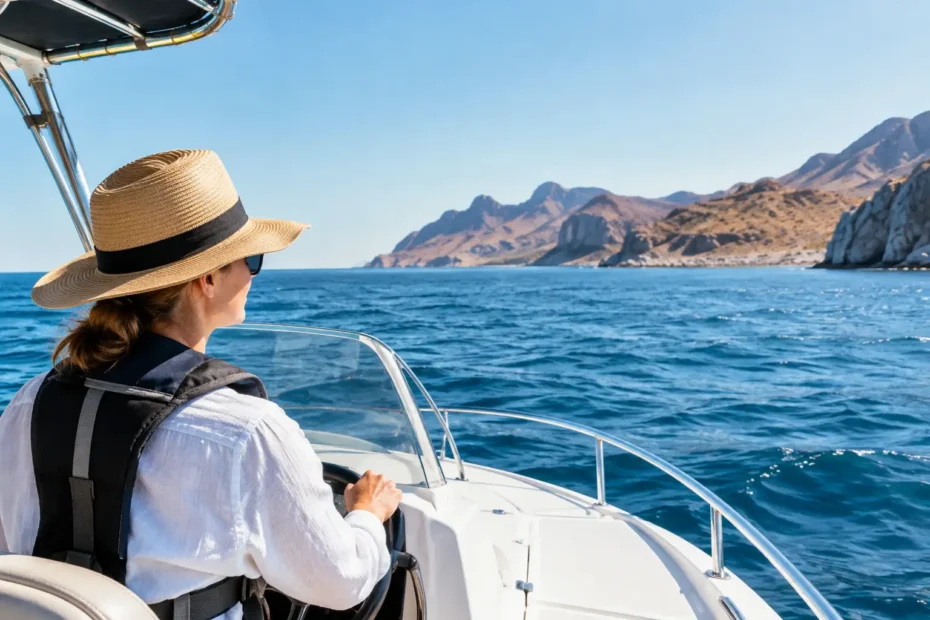
The best Baja boat safety decision is often made before you step onto the dock. A calm morning in La Paz can turn breezy by lunch, a beautiful panga may not be right for every passenger, and an unforgettable encounter with sea lions or whale sharks depends on a captain knowing when to approach, when to wait, and when to head home. That is not fear talking. It is how experienced people enjoy the Sea of Cortez for decades.
Baja California Sur is one of the world’s great boating destinations: clear water, desert islands, soaring frigatebirds, playful sea lions, and long horizons that make even a short crossing feel like an expedition. It also asks for good judgment. Conditions vary by season, location, vessel, and the experience of the people aboard.
Baja Boat Safety Starts With the Right Operator
Not every boat trip is the same, and the lowest price is rarely the best measure of value. Before booking, ask direct questions about the vessel, captain, passenger numbers, safety equipment, and the plan for changing weather. A professional operator should answer clearly, without becoming defensive or vague.
Look for a licensed local captain who knows the specific waters you will travel. Local knowledge matters around Isla Espíritu Santo, La Ventana, Cabo Pulmo, Bahía Magdalena, and the Pacific coast because wind patterns, currents, landing spots, and protected areas are different in each place. A captain who has run the route hundreds of times can read small changes that are invisible on a weather app.
The boat should be appropriate for the trip, not merely available that day. A short coastal transfer, an open-water wildlife safari, and a full day around an offshore island may call for different hulls, shade, seating, fuel range, and storage. Larger is not automatically better, but the vessel must be well maintained and properly equipped for its intended route.
At a minimum, you should expect enough properly sized life jackets for every person aboard, a working radio or reliable communication system, navigation equipment, first-aid supplies, an emergency plan, and appropriate fuel reserves. On certain routes, additional equipment may be necessary. Ask where the life jackets are stored before departure. You do not want to search for them after a problem begins.
A good crew also manages the guest experience. They will explain where to sit, when to remain seated, how to move around the boat, and what to expect at the first stop. This may sound basic, but a clear briefing prevents many common injuries, especially when guests are excited, carrying cameras, or traveling with children.
Weather Is a Decision, Not a Detail
The Sea of Cortez has a well-earned reputation for beautiful conditions, but it is not a swimming pool. Wind can build quickly, particularly in the afternoon, and the season shapes what a safe, comfortable day looks like.
During warmer months, heat, thunderstorms, and tropical systems require close attention. Winter can bring cooler water, northern winds, and choppy crossings, even under bright blue skies. Spring and fall can be wonderful, but a forecast is still only one piece of the decision. An experienced captain considers the wind direction, swell, tide, visibility, boat load, route, and the experience level of the guests.
This is where flexibility becomes a luxury. If a planned crossing is uncomfortable or unsafe, the right response may be leaving earlier, changing the route, selecting a sheltered bay, or moving the trip to another day. Travelers sometimes worry that a change means they are missing out. Usually, it means their guide is protecting the day rather than gambling with it.
Do not judge conditions from the hotel terrace. A marina can be calm while the channel beyond it is rough, and a distant island can have entirely different wind exposure. Let the people who work on the water make the final call.
When a Captain Says No
The captain’s most valuable word is sometimes “no.” No to an extra stop when daylight is fading. No to anchoring too close to a rocky shoreline. No to swimming in poor visibility or rising swell. No to departing when the forecast and local conditions do not agree.
That decision should build trust, not spoil your mood. The ocean will still be there tomorrow. Your safety and the well-being of your family come first.
Prepare Your Body for a Better Day at Sea
Many boat-day problems are preventable before the boat leaves. Start hydrated, eat a light breakfast, and avoid a late night of heavy drinking. Baja sunshine is intense, and dehydration can make fatigue, headache, seasickness, and poor judgment arrive much faster than expected.
Bring sun protection that actually stays with you: a hat that will not fly away, sunglasses with a retainer, reef-conscious sunscreen where appropriate, and a lightweight long-sleeve layer. Shade on board is helpful, but reflected sun from the water reaches places you may not expect. A reusable water bottle is sensible, though many operators provide water.
If you are prone to seasickness, address it early. Speak with your doctor or pharmacist before travel about medication options, especially if you take other prescriptions. On the water, stay in fresh air, look toward the horizon, avoid reading, and choose a seat near the center of the boat when possible. Do not wait until you feel miserable to mention it to the crew.
Families should be especially honest about each person’s comfort level. A young child, an older parent, a first-time boater, and an enthusiastic diver may all enjoy the same destination, but not necessarily on the same boat schedule or in the same sea state. A private itinerary makes it easier to adjust the pace without turning anyone into the reluctant passenger.
Safe Snorkeling, Swimming, and Wildlife Encounters
A boat trip is only half the experience. The other half happens in the water, where good habits protect both guests and Baja’s extraordinary marine life.
Listen to the entry and exit instructions every time. Use the ladder only when the crew indicates it is safe, keep fins clear of other swimmers, and never jump in while the boat is moving or while the captain is repositioning. Currents around rocky points and channels can be stronger than they look from the deck.
For snorkeling, use a flotation device if you are not fully comfortable in open water. There is no prize for refusing a life vest or buoyancy aid. It lets you relax, conserve energy, and spend more time noticing the life below you: schools of bright fish, sea turtles, rays, and perhaps a curious sea lion passing at a respectful distance.
Wildlife encounters should feel thrilling, not intrusive. Keep a respectful distance, do not touch animals, do not feed them, and follow the guide’s direction around sea lion colonies, whale sharks, dolphins, whales, turtles, and nesting birds. Regulations and access rules can vary by location and season, so a responsible operator will adapt the activity to current requirements.
The same principle applies to the islands. Leave no trash behind, avoid stepping on coral or fragile shoreline habitat, and take only photographs. Baja feels wild because much of it still is. Guests play a real role in keeping it that way.
Questions Worth Asking Before You Book
A trustworthy operator welcomes informed guests. Ask whether the trip is private or shared, how many people will be aboard, what happens if weather changes, and whether the itinerary can be adapted for non-swimmers, children, or guests with mobility concerns. If diving is part of the day, ask about surface support, emergency oxygen, dive profiles, and how snorkeling companions will be cared for.
Also ask what is included. Drinking water, lunch, towels, wetsuits, park fees, snorkeling equipment, and transportation can differ from one trip to another. Clear expectations prevent the small surprises that can distract from a beautiful day.
For travelers visiting Baja California Sur, a guide who personally knows the boats and captains adds another layer of reassurance. At Sunny Adventure Travel, Bran draws on decades as a captain, diving instructor, and expedition leader to match the route, vessel, and pace to the people traveling with him. That personal judgment is particularly valuable when conditions shift or when one member of the group needs a different kind of day.
The Best Safety Plan Leaves Room for Wonder
A well-run boat day does not feel tense or overly controlled. It feels easy because the hard decisions have already been handled: the right departure time, the right equipment, a realistic route, and a crew that is paying attention while you watch the coastline slide by.
If you are planning a private Baja adventure or a small-group expedition, contact Sunny Adventure Travel for a personalized itinerary built around your comfort, interests, and the conditions that make each day worthwhile. Come for the ocean, stay for the people, and let good local judgment make room for the moments you will remember.