


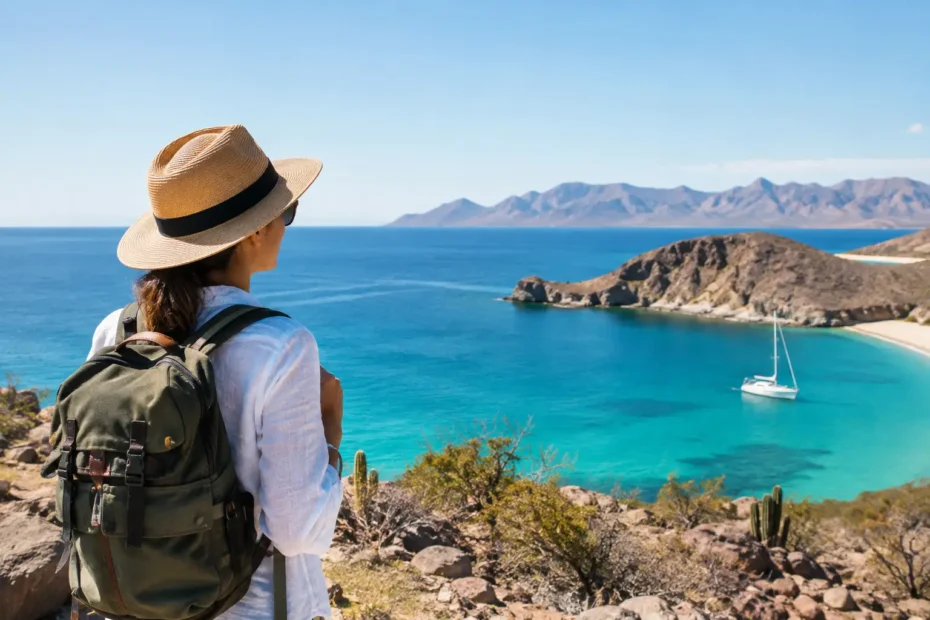
The first time you watch the Sea of Cortez turn silver at sunrise, safety may be the last thing on your mind. It should not spoil the moment, but it should shape the plan that gets you there. This Baja Sur travel safety guide is for travelers who want the freedom of a desert road trip, a private boat day, or world-class diving without leaving the practical details to chance.
Baja California Sur rewards travelers who slow down, use good judgment, and respect that this is a vast peninsula – not a resort corridor with services around every turn. Most visits are relaxed, welcoming, and memorable for all the right reasons. Still, distances are real, cell coverage can disappear, sea conditions change, and a small decision, such as driving after dark or booking the cheapest boat, can have outsized consequences.
Baja Sur Travel Safety Guide: Start With Smart Planning
Baja California Sur is generally a comfortable destination for visitors who plan thoughtfully. The main tourist areas, including La Paz, Los Cabos, Todos Santos, Loreto, La Ventana, and Cabo Pulmo, welcome international travelers every day. As in any destination, keep valuables discreet, stay aware in busy areas, and avoid leaving bags, cameras, or passports visible in a parked vehicle.
The larger safety question is often logistics rather than personal security. A route that looks short on a map may include long, empty stretches, mountain curves, livestock near the road, or no fuel station for many miles. If you are traveling independently, share your route with someone, download offline maps, keep water in the vehicle, and fill up when you have the opportunity rather than waiting for the gauge to become dramatic.
Travel insurance with medical evacuation coverage is a sensible choice, especially if diving, boating, hiking, or driving remote roads are on your itinerary. Carry your insurance details and any necessary medical information with you. Major towns have medical services, while remote beaches and islands do not offer the same easy access to care.
Documents, money, and communication
Bring a valid passport and make sure you understand the entry requirements for your nationality before departure. Keep a photocopy or secure digital copy of your passport separate from the original. For a rental car, confirm in advance what insurance is included, what coverage is required, and whether driving on unpaved roads is permitted. A surprisingly cheap rental can become expensive if its conditions do not match your route.
Cards are widely accepted in larger towns and hotels, but cash remains useful for small restaurants, tips, local purchases, and places with inconsistent terminals. Mexican pesos are the easiest currency for daily transactions. Tell your bank about international travel, and carry more than one payment method in case a card is declined or an ATM is temporarily out of service.
A local SIM or international data plan makes navigation and communication easier, but do not depend on it everywhere. On the road between towns, in parts of the Sierra de la Giganta, and out on the Sea of Cortez, service can be limited. That quiet is part of Baja’s magic. It just means your plan should be made before you lose the signal.
Driving in Baja California Sur Without Unnecessary Stress
Driving offers extraordinary access to Baja California Sur, from the cactus-lined road north of La Paz to small historic villages and Pacific coast lookouts. It also requires patience. Plan drives during daylight whenever possible. Roads can be narrow, shoulders may be soft, and animals can wander onto pavement, particularly at dawn, dusk, and night.
Do not let a navigation app convince you that every shortcut is a good idea. Dirt roads can be beautiful, but conditions change after rain and some routes require high clearance, local knowledge, or a second vehicle. If you are going beyond the main highway, ask someone who knows the current conditions. A road that was easy last month may be washed out, deeply rutted, or simply not appropriate for your rental agreement.
Mexican military and police checkpoints are a normal part of travel on the peninsula. Approach calmly, follow instructions, keep your documents accessible, and answer questions politely. Never carry illegal drugs or weapons. Simple, respectful cooperation is the right approach.
Alcohol and driving are a poor bargain anywhere, but especially on unfamiliar roads after sunset. Arrange a driver, stay near your dinner spot, or enjoy the local mezcal after the keys are put away for the night.
Water Safety Is Part of the Adventure
The ocean is why many people come here: sea lions at Isla Espíritu Santo, whale sharks near La Paz in season, diving at Cabo Pulmo, wind sports in La Ventana, and winter whale encounters along the Pacific. It is also the area where experienced local judgment matters most.
Weather forecasts are useful, but they are not the whole story. Wind can build quickly in the afternoon, swell can make a normally easy crossing uncomfortable, and a boat captain must consider the abilities of every guest on board. A responsible operator may change a route, leave earlier, choose a protected cove, or postpone a departure. That is not a ruined day. It is professional decision-making.
Before booking a boat or dive trip, ask practical questions. Who is the captain? Is there functioning safety equipment and communication gear? How many guests will be aboard? What is the plan if the weather changes? For diving, ask about guide ratios, emergency oxygen, first-aid equipment, and the experience level expected for the sites.
A good day on the water should never feel rushed. Wear the provided flotation device when requested, protect yourself from sun and dehydration, and tell your guide if you are anxious, prone to seasickness, or not a confident swimmer. There is no prize for pretending to be comfortable when you are not. The right crew can adjust the day, explain what is happening, and make the experience more enjoyable for everyone.
Wildlife encounters need a little humility
Sea lions, whales, dolphins, whale sharks, rays, and tropical fish are the reason Baja remains unforgettable. They are not props for a perfect social media clip. Keep the distance your guide requests, never chase or touch an animal, and follow protected-area rules. Wildlife behavior and seasonal regulations can change, so a flexible attitude is essential.
For snorkelers and divers, buoyancy control protects both you and the reef. For photographers, patience often produces the better encounter anyway. A whale shark deciding to glide past you on its own terms is more powerful than any forced close approach.
Heat, Food, and the Desert Details People Forget
Baja sunshine can feel deceptively manageable because coastal breezes take the edge off. Then dehydration catches up at lunch. Carry more water than you think you need, use reef-conscious sun protection where appropriate, wear a hat, and plan demanding hikes or beach walks for early morning or late afternoon.
Food in Baja California Sur is one of the pleasures of the trip, from fish tacos by the malecón to excellent regional cooking in small towns. Choose restaurants that are busy and well cared for, and use the water guidance provided by your hotel or host. Many travelers enjoy ice and fresh food without a problem at reputable establishments, but sensitive stomachs should be sensible rather than adventurous on the eve of a long boat day.
Pack insect repellent, particularly for evenings and after rain. Comfortable closed-toe shoes are useful for rocky trails, boat docks, and desert walks. If you have allergies, bring your own medications and tell your guide in advance. Remote places are wonderful precisely because they are remote; they are not the place to discover that a critical prescription was left at home.
The Value of a Local Professional
Independent travel can be rewarding, particularly for experienced Baja visitors. But private guided travel is often the more relaxed choice for couples, families, divers, and groups with limited vacation time. The value is not merely having someone hold an itinerary. It is having a person who knows when the wind changes in La Ventana, which captain is right for a family, how long a transfer truly takes, and when a hidden beach is worth the effort.
At Sunny Adventure Travel, Bran personally builds trips around the people in front of him, not a fixed schedule. With decades in tourism, professional captain and diving-instructor credentials, and more than 10,000 dives, he can help match ocean conditions, activity levels, accommodations, and transport to the trip you actually want. That may mean a serious dive day for one partner and a comfortable snorkeling and wildlife experience for the other – no one needs to sit out the adventure.
If you are considering private travel or a small-group expedition in Baja California Sur, contact Sunny Adventure Travel to shape a personalized itinerary with the right pace, trusted local partners, and practical support from the first road mile to the last ocean sunset. Come for the ocean. Stay for the people.