


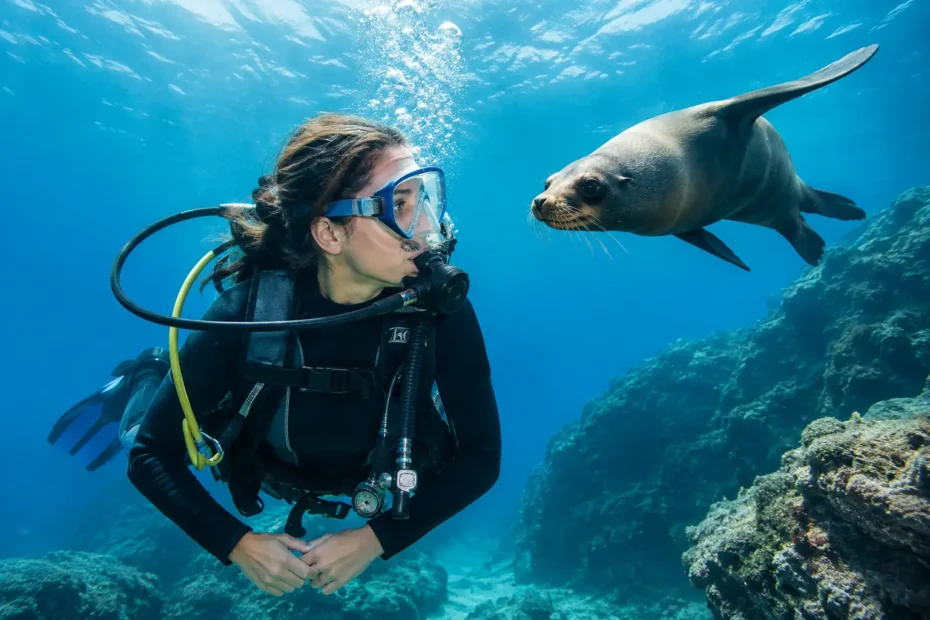
The first time you drop below the Sea of Cortez, the surface noise disappears fast. A sea lion may twist through blue water above a rocky reef, schools of fish flash around you, and suddenly the question is not only can beginners dive Baja – it is how to do it without feeling rushed, cold, seasick, or out of your depth.
The honest answer is yes. Baja California Sur can be a wonderful place for new divers, including travelers who have never used scuba equipment before. But Baja is not one single dive destination with one set of conditions. It stretches from sheltered island coves near La Paz to more exposed reefs and open-water sites along the East Cape. The right experience depends on your certification, confidence, season, and the day’s weather.
A good beginner diving day is not about chasing the most dramatic site on the map. It is about calm water, a patient instructor or guide, well-maintained equipment, and enough time to get comfortable before the interesting creatures arrive.
Can beginners dive Baja without certification?
Yes, if you join a properly supervised introductory scuba experience, often called a Discover Scuba Diving program. You do not need to be certified to try scuba, but you do need to complete a medical questionnaire, listen carefully to the briefing, and be comfortable in the water. Your instructor begins in shallow, protected water, where you practice breathing through a regulator, clearing water from your mask, recovering the regulator, and equalizing your ears.
There is no prize for moving quickly. Some guests relax after a few minutes; others need more time to settle their breathing and find their balance. Both are completely normal. A professional instructor adjusts the pace, keeps the group small, and can end the water session if conditions or comfort are not right.
For people who discover they love it, an Open Water certification course is the better foundation for future diving. It teaches the skills and judgment needed to dive with a buddy, plan basic dives, manage buoyancy, and respond calmly to common issues. If your vacation is short, consider doing the academic portion and pool work at home, then arranging the open-water training in Baja. The itinerary can feel far less compressed.
The best Baja conditions for first-time divers
Around La Paz and Isla Espíritu Santo, many days offer the kind of protected, clear-water setting that helps beginners focus on skills rather than swell. Shallow reefs, gradual descents, and colorful marine life can make an introductory dive feel exciting without demanding advanced experience. Sea lions are often the stars, although their playful energy can be more enjoyable once you are comfortable with your breathing and buoyancy.
That said, the Sea of Cortez makes its own rules. Wind can rise, visibility can change, and water temperatures vary dramatically through the year. Summer and early fall typically bring warmer water and often excellent visibility, while winter and spring can be cooler and may require a thicker wetsuit. Cooler water does not make diving unsafe by itself, but a chilled beginner loses concentration and burns through air faster. The proper exposure protection matters more than bravado.
Cabo Pulmo is extraordinary, with healthy coral reef habitat and dense fish life, but it is not automatically the best first dive for every new visitor. Boat travel, surface conditions, currents, and site choice deserve an honest assessment that morning. The same goes for more distant offshore sites. A responsible operator does not promise a particular reef or animal encounter before seeing the weather.
What makes a beginner dive feel safe
Safety is built long before the boat leaves the dock. It starts with a candid conversation about your swimming ability, medical history, prior snorkeling experience, anxiety level, and expectations. If you have asthma, heart conditions, recent surgery, ear problems, pregnancy, or take certain medications, get clearance from a dive physician before planning scuba. Do not hide information because you do not want to disappoint the group. It is your holiday, and preserving your health is the point.
On the day, a careful briefing should cover the boat ride, entry and exit, underwater communication, maximum depth, expected marine life, and what to do if you feel uncomfortable. You should know that you can signal to stop, ascend slowly with your instructor, or skip the dive altogether. No one should pressure you to continue.
Equipment fit is another quiet but important detail. A mask that leaks, fins that rub, or a wetsuit that leaves you shivering can turn an otherwise easy dive into hard work. Ask for adjustments before entering the water. A few extra minutes at the dock are much better than spending the dive fighting your gear.
For beginners, the most reassuring setup is usually a private guide or a very small ratio of divers to instructor. You receive closer attention, have room to practice, and do not feel as if you are holding up experienced divers. Couples and families often appreciate this approach because each person can move at a different pace. One partner may be ready for scuba while another chooses snorkeling, kayaking, or a beach stop instead.
Be realistic about seasickness and boat travel
Many of Baja’s best sites are reached by boat, and the ride is part of the adventure. It can also be the hardest part for travelers who are prone to motion sickness. Do not wait until you feel green around the gills. Speak with your doctor or pharmacist before travel about an appropriate medication, eat a light meal, stay hydrated, look toward the horizon, and choose a position with fresh air when possible.
A private itinerary offers useful flexibility here. Rather than forcing a long crossing because it was scheduled weeks ago, your captain can favor protected water, shorten the travel time, or shift the day toward snorkeling and wildlife viewing. The ocean does not grade you on endurance. You are there to enjoy it.
A smart path for beginner divers in Baja
If this is your first encounter with scuba, build the experience in layers. Start with a snorkeling session to get used to the mask, fins, saltwater, and the sensation of looking down into blue water. Then choose an introductory scuba session in protected conditions. If you are already certified but have not dived in several years, request a refresher rather than pretending you remember every skill from a course taken a decade ago.
Give yourself time in the itinerary, especially after diving. Standard dive safety guidance means you should not fly immediately after scuba diving. A sensible plan leaves a buffer before your return flight and avoids stacking long drives, late dinners, and early boat departures on top of one another. Baja rewards travelers who leave space for the unexpected: a calm morning, a pod of dolphins, a lingering lunch in a small town, or simply a nap after a day in the sun.
Who may be better off snorkeling first?
Not every ocean lover needs to become a scuba diver. Snorkeling at Isla Espíritu Santo, swimming near sea lions where permitted and appropriate, or joining an ocean safari can be every bit as memorable. Snorkeling is often the better first choice for travelers who are not comfortable swimming, have trouble equalizing their ears, feel claustrophobic with a regulator, or simply want a relaxed day with family members.
There is no lesser version of the experience here. From the surface, you can still see reefs, fish, rays, turtles, and vast desert islands meeting impossibly blue water. The best trip lets each person participate in a way that feels adventurous, not intimidating.
When I plan diving days for guests, I look at the forecast, boat options, experience levels, and the energy of the group, not just a wish list of famous sites. With more than 10,000 dives and years on these waters, I know that the best memories usually come from feeling safe enough to look around.
If you are considering your first Baja dive, Sunny Adventure Travel can create a private adventure or small-group expedition that matches your comfort level, travel style, and the conditions at hand. Come for the ocean, stay for the people – and let your first breath underwater be a curious one, not a rushed one.