


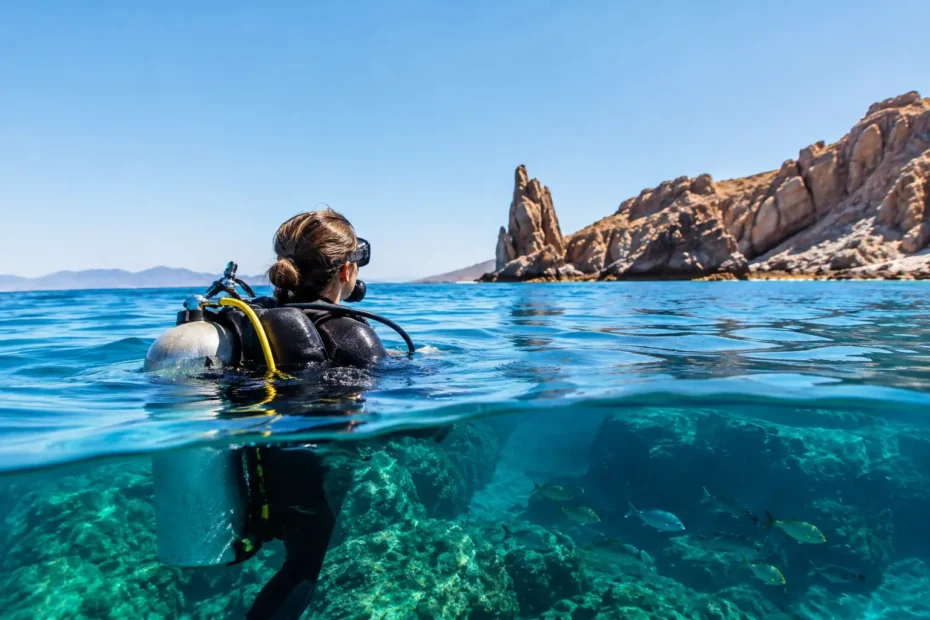
A great dive trip is not measured by how many tanks you log. It is measured by the moment a curious sea lion circles close enough to make you laugh through your regulator, the calm confidence you feel boarding a well-run boat, and the relief of knowing somebody has already handled the details that can derail a day on the water. That is what dive travel in Baja California Sur should feel like.
This is a spectacular part of Mexico, but it is not a one-size-fits-all diving destination. Conditions change with the season, the location, your experience level, and the kind of day you want to have. A private boat day from La Paz, a few relaxed shore dives, a liveaboard expedition, and a dive-focused luxury vacation can all be wonderful. They simply require different planning.
Start Your Dive Travel Plan With the Experience You Want
Before choosing a hotel or comparing flight prices, decide what you most want to remember. Is it swimming with sea lions? Schools of jacks turning the blue water into a living wall? A remote expedition where the horizon disappears? Or perhaps you are traveling with a partner who would rather snorkel, visit beaches, enjoy excellent food, and still share the ocean experience with you.
Baja Sur is especially rewarding because it can accommodate all of those wishes, but trying to fit everything into a short visit is the quickest way to spend more time in vehicles than in the sea. A thoughtful itinerary gives each day breathing room. It allows for weather adjustments, a slow morning after travel, and the very real possibility that the best plan is to return to a site you loved yesterday.
For many visitors, La Paz is an excellent base. The city offers access to the Sea of Cortez, beautiful island landscapes, comfortable places to stay, and an easy balance of diving and land-based adventure. It is also a better choice for a mixed-interest couple or group than an itinerary built entirely around technical schedules and early departures.
Know Your Non-Negotiables
Tell your trip planner or dive operator what matters most, including what you do not want. If you hate bumpy rides, say so. If seasickness has spoiled past vacations, bring it up before anyone reserves a boat. If you are newly certified, have not been diving in years, or want a private guide, that information belongs in the first conversation.
There is no prize for pretending you are comfortable with a long crossing in choppy conditions. The right operation can select a more protected site, adjust the departure time, arrange a refresher, or recommend a day that includes snorkeling and island time instead. Good planning protects the joy of the experience.
The Best Season Depends on Your Baja Dive Travel Goal
There is no single “best month” for diving Baja California Sur. There is only the season that best matches your priorities.
Warmer months generally bring warmer water and an energetic, fish-filled sea. These can be wonderful months for divers who want less thermal protection and are comfortable with changing visibility, wind, and summer heat. Fall often delivers inviting water and excellent conditions, which is why it can be a favorite window for travelers who want both quality diving and comfortable time on land.
Winter and spring bring a different personality. The water can be cooler, and a proper wetsuit becomes part of the plan, but marine life encounters can be extraordinary. It is also whale season in Baja Sur, which makes this period compelling for travelers who want to combine scuba days with responsible whale watching. The ocean does not follow a calendar perfectly, of course. Wind, currents, plankton blooms, and water temperature are part of the wild beauty here.
If sea lions are high on your list, timing matters, but so does the individual colony, local regulations, and the behavior of the animals that day. The best encounter is never the one forced by a crowded boat or an impatient approach. It is the one where you enter quietly, give the animals space, and let their natural curiosity do the rest.
Choose Boats and Operators With Care
The ocean is generous, but it deserves respect. The difference between an average day and a worry-free one often comes down to the people running the boat.
Look for an operation that maintains equipment carefully, uses appropriate safety procedures, provides clear briefings, and does not treat every diver as identical. Ask about tank size, rental gear condition, maximum group size, surface intervals, emergency oxygen, communications, and whether guides are familiar with the particular sites planned for the day.
A low price can be tempting, especially when travel costs add up. But bargain decisions sometimes show up as rushed schedules, crowded boats, tired rental gear, or a captain pressured to run farther than conditions warrant. On a vacation, your comfort and safety are worth more than shaving a few dollars off a dive.
This is where local knowledge earns its place. At Sunny Adventure Travel, I personally know the boats, captains, and dive professionals I recommend. As a captain, diving instructor, guide, and certified Safety Officer, I look at a day on the water from more than one angle. I want you to have a story worth telling when you get home, not a story about a preventable headache.
Liveaboard or Land-Based Diving?
A liveaboard can be magnificent for divers who want maximum immersion. You wake near the next site, spend your days focused on the sea, and reach areas that are not practical on a day boat. It is a strong choice for experienced divers with a serious marine-life wish list and enough time to settle into the rhythm of the vessel.
Land-based diving gives you more flexibility. You can combine dive days with local restaurants, a desert outing, a beach afternoon, spa time, or a private wildlife experience. It is often the better fit for couples, families, and groups with varied interests. It also gives you a little more control if someone needs an easier day.
Neither style is automatically better. The right answer depends on your comfort with boat life, your budget, your available days, and whether everyone traveling wants the same intensity of diving.
Make Room for the Practical Details
The glamorous part of a dive vacation is easy to imagine. The practical part is what keeps that glamour intact.
Plan your final dive conservatively before flying. Follow your certification agency’s guidance, allow adequate surface time, and resist the temptation to squeeze in “just one more tank” before a flight. Baja Sur travel often involves transfers, domestic connections, and changing schedules, so a buffer day is not wasted time. It is a chance to enjoy the pool, walk the malecón, eat well, and let your body do what it needs to do.
Bring certification cards, dive insurance information, a logbook if you use one, sun protection, a reusable water bottle, and any personal items that make you more comfortable in the water. If you own a mask that fits perfectly, bring it. A familiar mask is a small thing until it is the difference between relaxed buoyancy and a frustrating morning of clearing leaks.
Medication for motion sickness should be discussed with your medical professional before departure, particularly if you have health conditions or use other medications. Also, do not wait until you are green at the rail to mention that boats make you nervous. A captain or guide can help much more when they know in advance.
Travel Like a Guest of the Sea
Baja California Sur’s marine life is not a backdrop for content. It is the reason we are privileged to be there. Keep a respectful distance, maintain good buoyancy, avoid touching reefs or animals, and let guides set the pace around wildlife.
That approach produces better encounters anyway. Sea lions, rays, schooling fish, and the quiet drama of a reef reveal more when divers are calm, controlled, and not chasing the moment. The best underwater photographs often come after you stop trying to collect them.
Leave a little space in your Baja itinerary for surprise. The sea may offer a perfect blue-water day, a playful sea lion encounter, or a change in weather that sends you toward a hidden beach and an unforgettable lunch instead. With the right people handling the logistics, that is not a setback. It is part of the adventure.