


A dark flicker breaks the glassy blue surface off Baja California Sur. Then another. Within seconds, dozens of mobula rays are launching, twisting, and slapping back into the Sea of Cortez with a sound you feel in your chest. Mobula ray season is one of Baja’s most electric wildlife spectacles, but it is not an aquarium appointment. Timing, weather, water conditions, and a respectful captain all shape what the day becomes.
For travelers based in La Paz, Todos Santos, Los Cabos, or La Ventana, this can be the ocean encounter that changes the whole trip. The secret is approaching it with patience and a plan, rather than expecting a guaranteed performance on a fixed schedule.
When Is Mobula Ray Season in Baja?
In Baja California Sur, the most reliable window for seeing large aggregations of mobula rays is generally late spring through summer, most often from around May into July. June is frequently a sweet spot, when warming water, calmer mornings, and seasonal marine activity can line up beautifully in the Sea of Cortez.
That said, wildlife does not read a calendar. Some years bring strong activity earlier or later, and sightings can vary considerably from one stretch of coastline to another. Wind can rise by late morning, water temperatures shift, baitfish move, and a seemingly perfect day can be quiet while the following day is unforgettable.
The best way to think about mobula ray season is as a travel window, not a single date. If rays are a priority, give yourself several flexible days in Baja rather than building your entire vacation around one boat departure. That flexibility is often the difference between chasing a rumor and having the time to wait for the right conditions.
Why the Sea of Cortez Becomes a Mobula Hotspot
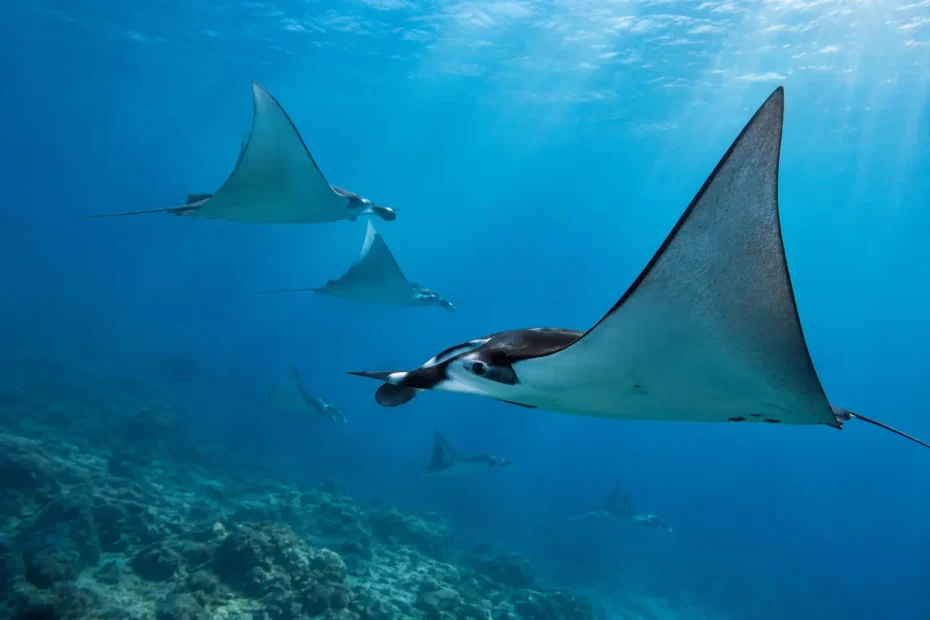
The Sea of Cortez is extraordinarily productive, particularly as warmer months bring changing currents and food sources. Mobulas gather where conditions support them, often around open-water areas and channels where baitfish can be plentiful. The specific species most visitors hope to see in these seasonal schools is commonly known as Munk’s mobula, a smaller ray with a graceful, winged shape and a remarkable talent for airborne acrobatics.
Seeing one ray leap is thrilling. Seeing a group erupt around the boat feels almost unreal. They may cartwheel clear of the water, glide just beneath the surface, or travel in loose formations that seem to stretch into the blue. Their behavior can be lively, but that never means they are there for us. A good encounter leaves the animals free to choose their distance and direction.
Where to See Mobula Rays Near La Paz
La Ventana and the waters around Cerralvo Island are among the best-known areas for seasonal mobula activity in Baja California Sur. Located southeast of La Paz, this side of the peninsula offers dramatic desert scenery, open Sea of Cortez horizons, and access to marine-rich water that can produce exceptional days.
Depending on conditions and the operator’s permits and operating area, trips may depart from La Ventana, La Paz, or nearby marinas. The departure point matters less than the captain’s real-time judgment. Local knowledge is not simply knowing where rays appeared last week. It is reading wind forecasts, sea state, bait activity, visibility, and whether a respectful approach is even possible that morning.
This is why the cheapest boat is rarely the best value. An overloaded panga with an impatient driver can turn a special wildlife moment into a stressful ride. For a premium Baja experience, choose a properly maintained vessel, a skilled licensed captain, safety equipment, shade where practical, fresh drinking water, and a crew that understands the difference between finding wildlife and crowding it.
What a Day on the Water Really Feels Like
Most successful mobula outings begin early. Baja mornings often offer the smoothest sea before afternoon winds build, especially around La Ventana. You will want sunscreen, a hat, polarized sunglasses, a light cover-up, and a dry bag for your phone and camera. Even on a hot day, a fast boat ride can feel cool at first.
Once the captain begins searching, there may be long, quiet stretches. This is part of the experience. Watch the surface for birds, flashes, splashes, or a line of movement that does not quite look like waves. You may encounter dolphins, sea turtles, seabirds, or even other ray activity while searching. Baja rewards people who pay attention between the headline moments.
When a school is found, the crew should assess the animals before anyone enters the water. At times, simply observing from the boat is the responsible choice. At other times, the rays may remain calm and move steadily enough for guests to slip in quietly, float, snorkel, and let the animals pass at their own pace.
Do not expect to jump in and swim after them. Chasing rays burns energy, scatters wildlife, and usually creates poor photos anyway. The most beautiful images come when you are still, buoyant, and ready as a mobula glides through clear water beneath you or turns gently in the light.
How to Have a Respectful Mobula Ray Encounter
The privilege of swimming near wild mobulas comes with a few non-negotiables. Never touch a ray, block its path, crowd a school, or use a drone irresponsibly over wildlife. Avoid flash photography underwater, keep your fins controlled, and listen immediately when the guide asks everyone to return to the boat.
A responsible operator also knows when to move on. If multiple boats are pressing into one group, if the rays begin changing direction sharply, or if the water turns rough, the encounter should not be forced. The goal is not to collect a dramatic clip at any cost. It is to witness a wild migration-like gathering in a way that leaves the animals undisturbed.
For families, confident swimmers, and first-time snorkelers, the right briefing matters enormously. A professional crew should explain how to enter the water safely, where to hold your mask and snorkel, how to manage fins near others, and what to do if you feel anxious in open water. You do not need to be a scuba diver to enjoy mobulas, but you should be comfortable floating with a mask and snorkel in the ocean.
If seasickness is part of your travel history, address it before departure. Eat lightly, hydrate well, avoid too much alcohol the night before, and consider your preferred motion-sickness remedy in advance. No one wants a once-in-a-lifetime ray encounter overshadowed by a rough ride home.
Building a Baja Trip Around Mobula Ray Season
A mobula-focused itinerary works especially well when paired with a few days in and around La Paz. You can balance an early boat morning with a relaxed afternoon at a beach club, a long lunch of fresh seafood, or a sunset stroll along the malecón. If conditions shift and the ray outing needs to move, your trip should still feel full rather than disrupted.
For divers, summer can also be a wonderful time to add offshore diving or a liveaboard experience in the Sea of Cortez. For couples and private groups, a dedicated boat may offer more flexibility, privacy, and control over the pace of the day. Families may prefer a smaller shared excursion with a patient guide and a shorter run time. There is no single best format – it depends on your group’s comfort in the water, budget, interests, and tolerance for an early start.
At Sunny Adventure Travel, I help guests make those decisions before they are standing on a dock wondering whether a windy forecast has ruined the day. I personally favor building wildlife travel with room to adjust, using trusted local crews and pairing each ocean day with a land-based alternative that is just as rewarding.
Can You Guarantee Mobula Rays?
No ethical operator can guarantee wild rays. Anyone promising a certainty is selling a result nature cannot promise. What a knowledgeable planner can provide is the strongest seasonal timing, the best available boat team, realistic expectations, and enough itinerary flexibility to improve your odds.
Are Mobula Rays Dangerous?
Mobula rays are not aggressive toward people. They have no stinger, unlike some rays that visitors may be more familiar with. The main safety considerations are boat procedures, changing sea conditions, sun exposure, hydration, and snorkeling within your own ability. Follow the crew, give the animals space, and the experience is generally suitable for many healthy travelers who are comfortable in open water.
What Should You Bring?
Bring reef-safe sunscreen, a swimsuit, towel, hat, sunglasses, a light layer, reusable water bottle, and motion-sickness medication if needed. A GoPro or underwater camera can be wonderful, but secure it with a wrist strap and remember that looking up from the screen is often how you notice the best moment.
The rays may arrive in a shower of silver wings, or they may appear as a quiet shadow sliding below your fins. Either way, leave room in your Baja days for the unexpected. That is where the Sea of Cortez does its best work.