


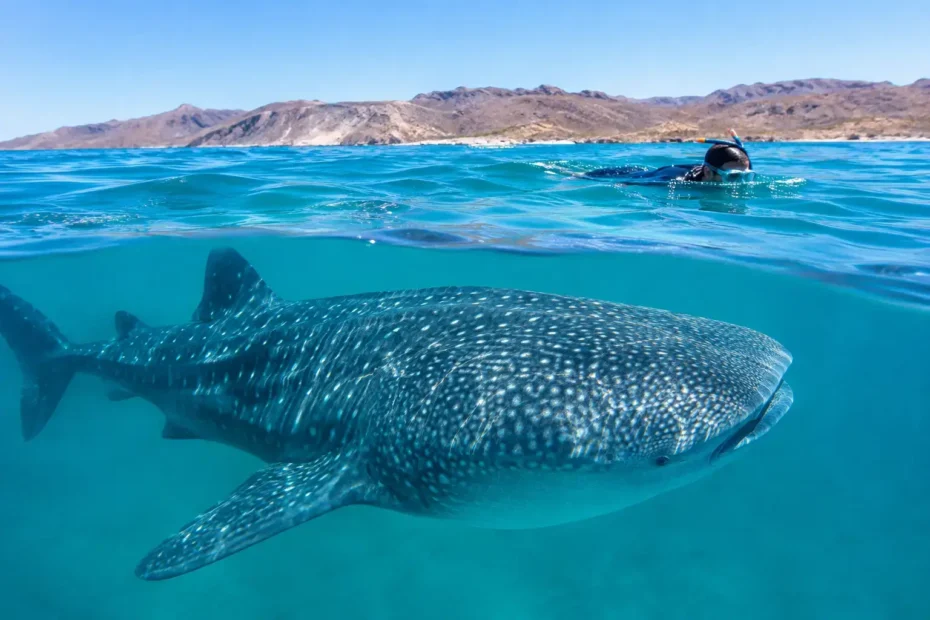
The answer to when is whale shark season in La Paz is usually October through April, when the gentle giants return to feed in the protected waters near the city. But a date on the calendar is only the beginning. Whale sharks follow food, water temperature, and shifting conditions, so the best experience comes from choosing the right window and staying flexible when nature has other ideas.
For travelers who picture themselves slipping quietly into clear blue water beside the world’s largest fish, La Paz offers one of Baja California Sur’s most memorable marine encounters. It is not a zoo, and that is exactly the point. A good day feels thrilling because the whale shark is wild, calm, and completely in charge of the moment.
Whale Shark Season in La Paz: The Best Months
La Paz’s regulated whale shark season generally runs from October 1 through April 30, subject to local management rules and actual animal presence. Sightings can begin in fall, continue through winter, and sometimes extend into spring. In practical terms, November through February is often the strongest period for travelers planning a dedicated whale shark experience.
October can be wonderful for guests who prefer warmer water and warmer air. The Sea of Cortez still holds summer heat, and early-season whale sharks may already be feeding in the bay. The trade-off is that early sightings can be less predictable, particularly after changing weather or ocean conditions.
From November through January, the balance is often excellent: the chance of sightings is typically stronger, temperatures are pleasant, and La Paz has an easygoing winter rhythm. Water temperatures cool as winter progresses, often ranging from the low 70s to low 80s Fahrenheit across the season. A wetsuit makes the experience more comfortable, especially for guests who tend to get chilled while floating and observing.
February through April can still provide beautiful encounters, with increasingly warm days and fewer visitors than the peak holiday period. However, whale sharks may begin to move on earlier or later depending on the year. If seeing one is your highest priority, build a little flexibility into your itinerary rather than scheduling the encounter for the final morning before a flight home.
Why Whale Sharks Come to La Paz
Whale sharks are not whales. They are fish, recognizable by their broad, flat heads and a constellation of pale spots and stripes across their dark skin. Despite reaching lengths of 30 feet or more, they feed primarily on tiny organisms, including plankton and fish eggs, filtering seawater through their enormous mouths.
The calm, productive waters around La Paz can offer the food conditions they seek. Each animal’s arrival and departure is influenced by currents, food availability, temperature, and other natural variables that no operator can control. That is why experienced local knowledge matters. It is not about making impossible promises. It is about knowing how conditions have been behaving, which areas are open, when to depart, and when it is wiser to wait.
Whale sharks are often found in the bay near La Paz rather than far offshore. This makes the experience accessible to confident swimmers, first-time snorkelers, families with older children, and non-divers who want a serious marine wildlife encounter without committing to scuba diving. You do need to be comfortable in open water, though. This is a real ocean experience, not a swim in a resort pool.
What a Responsible Encounter Looks Like
In La Paz, whale shark tourism is carefully managed. Access can be limited, boat operators must follow local rules, and daily conditions can affect whether trips run. Regulations are designed to reduce pressure on the animals, which is good news for travelers who care about seeing wildlife without turning the encounter into a circus.
A respectful trip begins before anyone enters the water. Your captain should approach slowly, assess the whale shark’s direction of travel, and position the boat without cutting it off. Guests enter only when it is safe, then swim calmly alongside or slightly behind the animal. There is no need to chase, touch, grab, ride, or crowd it. Apart from being harmful and prohibited, those behaviors ruin the quiet magic of the encounter.
Expect to snorkel rather than scuba dive. A whale shark may swim at its own steady pace, and the goal is to observe without interfering. Sometimes you will have a long, glorious pass alongside a relaxed animal. Other times it may disappear below the surface after a brief glimpse. Both are part of meeting a wild creature on its terms.
Avoid applying products that can leave residues in the water, and use sun-protective clothing whenever possible. A long-sleeve rash guard, hat, and sunglasses for the boat ride are simple choices that protect your skin while reducing what goes into the sea. Bring water, a light layer for the ride back, and a sense of humor if the wind adds a little Baja texture to the day.
The Conditions That Can Change Your Plans
The most honest answer to “When should I come?” is: come during the season, but leave room for the ocean to decide. Wind can make the bay choppy. Low visibility can make spotting harder. A whale shark that was feeding in one area yesterday may have moved overnight. Management authorities may also temporarily adjust access based on conservation needs.
This is why a private or carefully organized small-group itinerary is so valuable. If conditions are better in the morning, you can leave early. If the whale shark outing needs to shift by a day, you can enjoy Isla Espíritu Santo, sea lions, a hidden beach, local food, or a cultural day inland instead. Baja California Sur rewards travelers who do not try to force every experience into a rigid spreadsheet.
For families, sea conditions deserve special attention. Young children may be delighted by whale sharks but uncomfortable with wind, splash, or a longer boat ride. For couples, a private boat allows a more unhurried pace and avoids the feeling of being rushed through a wildlife encounter. For divers traveling with non-divers, this is an especially good shared activity because everyone can snorkel together and enjoy the same story afterward.
How to Plan the Right Whale Shark Day
Book your stay in La Paz for at least two or three nights if whale sharks are high on your wish list. That gives you a better chance to select the best weather window and protects the rest of your vacation from one unpredictable morning. Travelers visiting Baja for a week or more can place the whale shark outing near the beginning, then shape the remaining days around what the sea is offering.
Morning departures are often preferable because winds can build later in the day, although the best timing always depends on current conditions and access procedures. Eat a light breakfast if you are prone to seasickness, stay hydrated, and consider motion-sickness medication before boarding if you know you need it. There is no prize for pretending you have sea legs when you do not.
Choose guides and captains who prioritize both safety and conservation. The right team knows the boats, local procedures, permitted areas, weather patterns, and how to brief guests clearly. A great guide also recognizes that some people need help adjusting a mask, entering the water for the first time, or simply taking a breath before that first unforgettable swim.
Is Whale Shark Season Worth Planning a Trip Around?
Absolutely, provided you treat it as a wildlife opportunity rather than a guaranteed performance. La Paz during whale shark season offers much more than one swim: desert landscapes meeting the Sea of Cortez, sea lion colonies, excellent snorkeling, colorful local markets, and evenings that invite you to slow down over a good meal.
The whale shark encounter can be the centerpiece, but it should not be the only reason the trip matters. The best Baja journeys leave room for the unexpected: a quiet cove, a sunrise over the water, a captain spotting movement on the horizon, or a small local restaurant that becomes the meal everyone remembers.
If you would like a whale shark experience arranged around your comfort level, dates, and the conditions at sea, Sunny Adventure Travel can help create a private adventure or small-group expedition that gives Baja the time and respect it deserves.